

In The Media
Search Articles

How China Perfected the Surveillance State
Geoffrey Cain on Investigative Journalism, Authoritarian Power, and The Perfect Police State | In a wide-ranging conversation with Jennifer Grossman, CEO of The Atlas Society, investigative journalist Geoffrey Cain reflects on years spent reporting inside some of the world’s most restrictive regimes — and on the research behind his book The Perfect Police State: An Undercover Odyssey into China’s Terrifying Surveillance Dystopia of the Future.
The DeepSeek dilemma
WATCH: Can America Win the AI War with China?
Samsung workers go on strike
The Free Press Debate: Should the U.S. Ban TikTok?
Thanks to AI, Apple’s China problem is only getting worse
For years, Tim Cook insisted Apple could change China from the inside. Instead, China changed Apple.
The latest evidence? Apple spent billions developing cutting-edge electric vehicle battery technology with Chinese automaker BYD, only to watch its innovations become the cornerstone of BYD’s rise to global electric vehicle dominance. Apple walked away with nothing. China walked away with everything.
This isn’t just another story about corporate research and development gone wrong. It’s a cautionary tale about how even America’s most valuable company has become trapped in China’s web of technological control — and how that web is about to tighten even further.
DeepSeek Is a Wake-Up Call. Is America Listening?
The Samsung Sandwich
From Crisis to Creative Destruction at Samsung
In the Republic of Samsung, here’s the ticket to the good life
After Sony attack, hackers obliterate a Kim Jong Un video game
The trouble with Abenomics
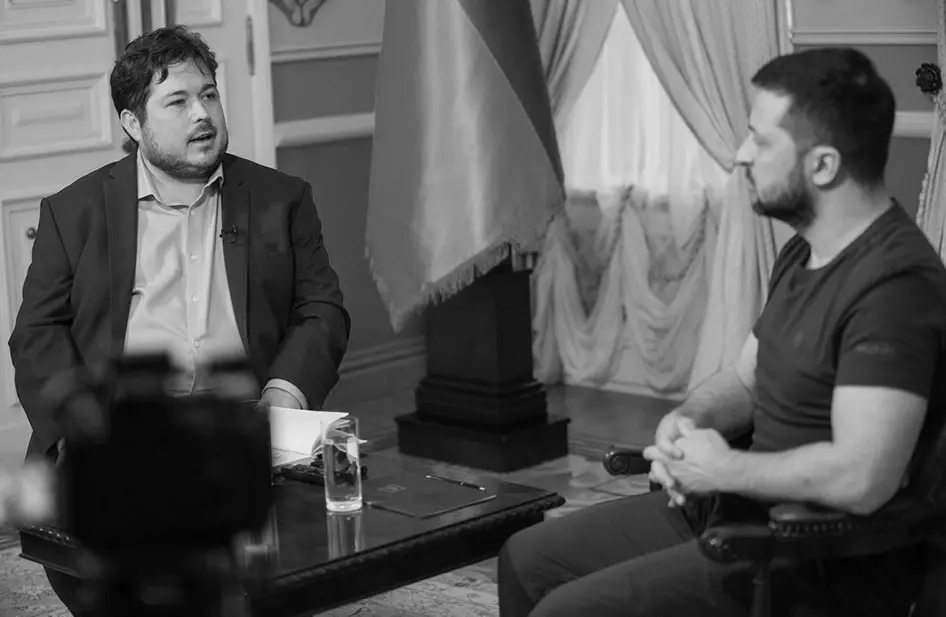
“We completely understand the price of freedom.”
– Volodymyr Zelensky, President of Ukraine
EVER SINCE RUSSIAN forces started their all-out invasion in February, Ukraine has been hailed as an exemplar of how to defend against violent tyranny on the 21st-century battlefield. The country spun up an “IT Army” of volunteer hackers to take down Russian websites, used the Starlink satellite internet system to maintain communications as its own infrastructure was being destroyed, and launched a social media blitzkrieg to win support from around the world.

American Affairs: The Purges That Upended China’s Semiconductor Industry
The Free Press: How China Got Our Kids Hooked on ‘Digital Fentanyl’
China Is Buying the Farm
The Rise of China’s State Surveillance Machinery
How a Samsung Heiress Helped Make ‘Parasite’ a Triumph
Debate: Should the U.S. Ban TikTok?
Michael Moynihan hosts a lively debate between Geoffrey Cain, senior fellow at the National Security Institute of George Mason University, and Walter Kirn, co-host of the podcast America This Week, on the controversial TikTok bill—a clash over security versus freedom in the digital age.
‘The Great Successor’ Review: Pyongyang Confidential
The Failure to Define Fascism Today
North Korea Is Not Vietnam
Fake News and the Death of Democracy in Cambodia
How I Became an Ajumma
This North Korean is getting rich off capitalism
Korea is pulling out all the stops to popularize its cuisine
Here are 25 reasons why Seoul is now Asia’s coolest city
Why justice in Korean Air’s nut rage case was a big surprise
South Korea has a free speech problem
Reinvention. Failure. Comeback. Stories from business and tech.
- Follow the Burner files on Substack